
Olivia Otto · 14 October 2026
Decoding Adaptive Strategies in Niche Platform Ecosystems for Sustained Visibility and Connection
Platform ecosystems that serve specialized audiences continue to evolve through layered algorithms, shifting user behaviors, and regulatory updates that reshape how visibility and sustained connections form. Observers note that participants in these spaces adjust their approaches by monitoring engagement metrics, testing content formats, and aligning with community norms while external factors such as data privacy rules from the Australian Communications and Media Authority influence data handling practices across borders.
Core Components of Niche Ecosystems
Specialized platforms often operate with distinct recommendation engines that prioritize depth over breadth, creating environments where targeted content reaches receptive users more efficiently than broad social networks. Researchers at institutions like the Pew Research Center have documented how these systems reward consistent interaction patterns, and data from Canadian digital economy reports show participation rates in niche forums rising steadily through 2025 into October 2026. Those who study these spaces find that visibility depends on matching content cadence with audience activity peaks, while connection strength grows through repeated, value-driven exchanges rather than one-off posts.
Platform operators introduce updates periodically, and October 2026 brought several changes to moderation tools and discovery features that affected smaller communities directly. Developers adjusted ranking signals to favor original contributions over reposts, prompting creators to refine sourcing and presentation methods. This shift aligns with broader trends observed in multiple regions where regulatory bodies emphasize transparency in algorithmic decision-making.
Adaptive Tactics for Maintaining Reach
Participants develop monitoring routines that track changes in reach metrics, engagement velocity, and follower retention rates across weekly cycles. They experiment with post timing, format variations, and collaborative features while cross-referencing performance data to identify patterns that hold across different niche segments. Studies indicate these iterative adjustments help maintain presence even when platform policies tighten content distribution rules.
Community guidelines function as living documents that evolve with user feedback and external pressures, so successful actors review updates promptly and adjust language or topics accordingly. Evidence from academic analyses of digital communities reveals that groups maintaining open documentation channels experience slower erosion of active membership compared with those that communicate changes less clearly. And because niche platforms frequently integrate with larger services, interoperability considerations also enter planning, particularly when API access or data portability features receive updates.
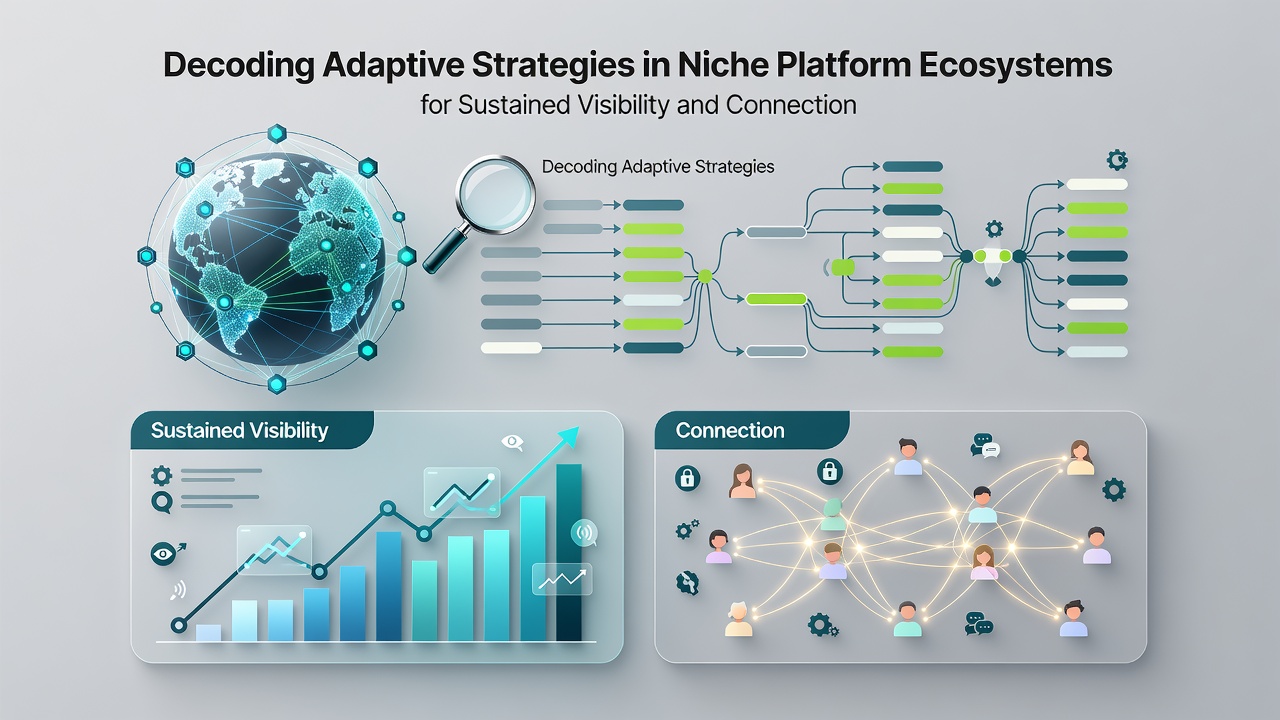
Building Durable Connections Within Constrained Environments
Connection durability arises from repeated value exchanges that encourage reciprocal engagement rather than passive consumption. Participants who establish regular interaction rhythms, respond thoughtfully to comments, and surface member contributions report higher retention figures according to aggregated platform analytics shared in industry roundtables. These practices prove especially relevant when external regulations, such as those outlined in reports from the European Commission's digital services framework, require clearer consent mechanisms for data used in personalization.
Multi-channel approaches supplement single-platform presence by directing audiences toward owned spaces like newsletters or member directories that operate independently of algorithm changes. Observers have recorded cases where creators who diversified contact points experienced steadier connection metrics during periods of platform volatility, including the policy adjustments rolled out in October 2026. The approach requires careful mapping of audience preferences across channels to avoid fragmenting attention.
Measurement Frameworks and Iterative Refinement
Quantitative tracking combines with qualitative signals such as sentiment trends and community sentiment indicators to form comprehensive performance views. Teams that segment data by content type, posting frequency, and audience cohort uncover actionable insights that guide subsequent decisions. Figures from research institutions focused on digital sociology demonstrate that organizations applying segmented analysis achieve more stable visibility curves over multi-quarter periods.
Feedback loops close when insights feed directly back into content planning and relationship management processes. Regular audits of which tactics correlate with sustained reach allow practitioners to retire underperforming methods while scaling those that align with current platform mechanics. This cycle repeats as new features launch and audience expectations shift in response to broader digital trends.
Conclusion
Adaptive strategies in niche platform ecosystems center on continuous observation, measured experimentation, and responsive adjustment to both technical and regulatory developments. Data from multiple jurisdictions and research bodies shows that participants who integrate these elements sustain visibility and foster lasting connections even amid evolving conditions. The patterns observed through late 2026 underscore the value of systematic approaches that treat platform dynamics as variables requiring ongoing calibration rather than fixed rules.